Let’s take a trip back in time to explore the roots of our beloved feline friends. Cats didn’t just suddenly appear in our homes; they have a wild ancestry that shapes their behavior and personality today. The wildcats that roamed the earth millions of years ago were tough survivors, and they adapted to their environments in some really interesting ways.
The story starts with the African wildcat, a small, agile predator. These cats hunted small rodents and birds, living in fields and forests. They were cautious, clever, and had a knack for staying hidden from bigger predators. Over time, these wildcats developed a bond with humans. As we began to settle down and farm, wildcats started hanging around to feast on the pests that threatened our crops. It was a mutual benefit that led to the start of a truly unique relationship.
As humans and wildcats grew closer, something incredible happened: the wildcats began to evolve. They adapted to life with people, becoming friendlier and more sociable. This shift helped domesticate them, paving the way for the fluffballs we call pets today. It’s fascinating how these early interactions laid the groundwork for the affectionate companions we cherish.
Beyond just the African wildcat, various species contributed to our domestic cat’s gene pool. When people traveled, they took cats along on their journeys, mixing in traits from different wildcats across Europe and Asia. This mixing resulted in a range of breeds, each with their distinct looks and quirks, while still holding onto the instincts of their wild ancestors.
Understanding Cat Behavior and Personality
Understanding cat behavior can feel like deciphering a secret language. Cats are quirky little creatures with their own distinct personalities. Some are playful and energetic, bouncing around like they just had a cup of coffee. Others prefer to lounge around and soak up the sun for hours. There’s no one-size-fits-all when it comes to cat personalities!
Many factors influence how your cat behaves. Genetics play a role, but so does their environment. Cats that grow up in busy homes might be more social and outgoing, while those from quieter backgrounds may be more reserved. Socialization early in life is huge. Cats that experience different smells, sounds, and people tend to be more adaptable and friendly.
You might notice some common behaviors, like kneading or purring. Kneading, where they push their paws in and out on soft surfaces, is a leftover habit from kittenhood. It’s their way of showing comfort and affection. Purring is another sign they’re happy, but it can also mean they need some soothing. Cats can be funny like that!
Every cat has its own quirks. Some love to climb to high spots, while others enjoy hiding in boxes. Watching your cat’s antics can be endlessly entertaining! Knowing what makes your cat tick can strengthen your bond and even help you provide a better environment for them.
Health Tips for Happy Cats
Your cat's health directly impacts their happiness, so let's keep those felines purring! Here are some friendly tips to help you ensure your kitty stays in tip-top shape.
First off, a balanced diet is key. Cats are obligate carnivores, meaning they need meat to thrive. Look for high-quality cat food that lists real meat as the first ingredient. Treats are great too, but don't overdo it! Keep those portions in check to avoid weight issues.
Next up, regular vet visits are a must. Even if your cat seems fine, those check-ups can catch hidden health problems early. Vaccinations, dental care, and parasite prevention are important parts of keeping your kitty healthy. Don't skip them!
Don't forget about playtime! Engaging your cat with toys or interactive games boosts their mood and keeps them active. Cats need both mental and physical stimulation. Spend some time each day playing with your furry buddy, and you’ll both reap the benefits.
Finally, provide a comfy environment. Cats love their space! Make sure they have cozy spots to curl up and relax. Scratching posts, climbing trees, and sunny windowsills are great for satisfying their natural instincts and keeping them happy.
Fun Activities to Keep Cats Engaged
Cats love to have fun, and keeping them engaged is key to their happiness. Here are a few easy activities to keep your furry friend entertained.
Interactive Toys
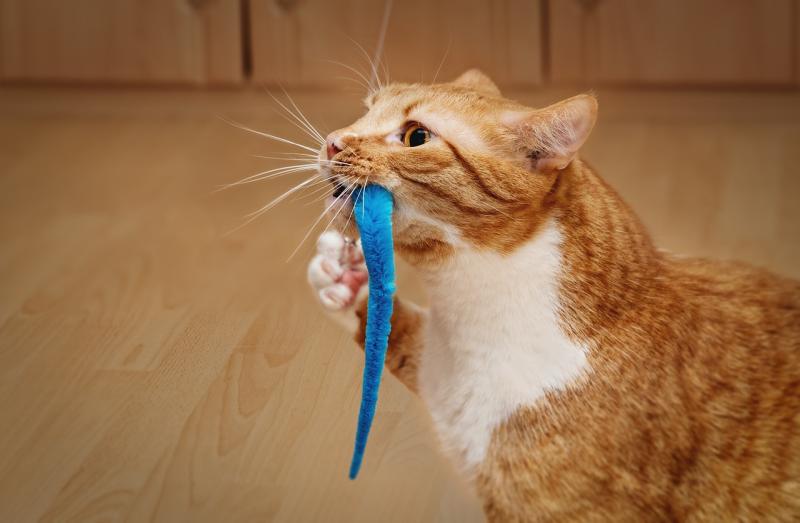
Toys that move, make noise, or can be filled with treats are a hit with cats. Look for ones with feathers, strings, or even balls that you can toss. These toys stimulate their hunting instincts, giving them a chance to pounce and play like they would in the wild.
Catnip Fun
Catnip can turn your ordinary cat into a playful bundle of energy! Try catnip-infused toys or sprinkle some on their scratching post. Watching them go wild with excitement can be pure entertainment. Just remember, not every cat reacts to catnip, but for those that do, it's a blast!
Puzzle Feeders
These are great for keeping your cat mentally stimulated. Puzzle feeders require them to think and work for their treats or kibble. It’s a fun challenge that also slows down their eating, which is great for their digestion. You can find them in all sorts of designs, so pick one that suits your cat's personality!
Homemade Obstacle Courses
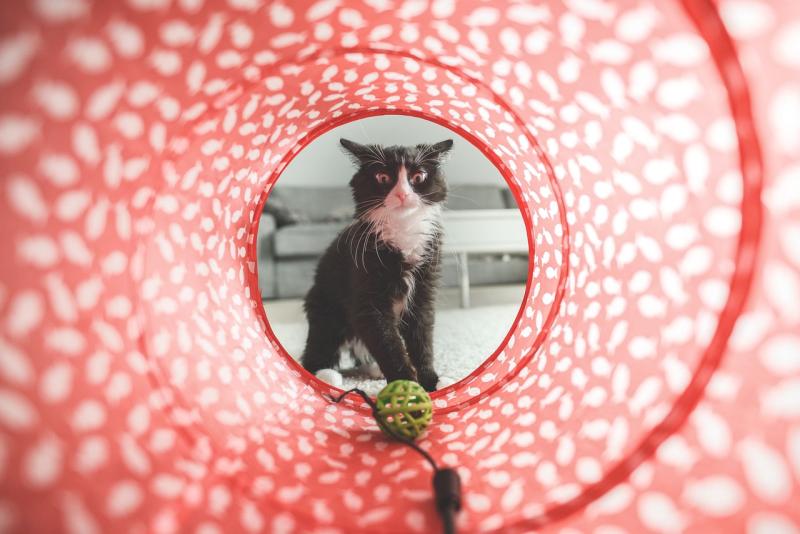
Get creative and set up a little obstacle course for your kitty. Use pillows, boxes, and even toys to create a path for them to navigate. It can be as simple or as elaborate as you want. Watch as they figure out how to jump over and crawl through different obstacles. It's a fun way to bond while giving them a good workout!